
I Am Retired: How to Make the Most of Your Retirement Years
Saying "I am retired" is just the beginning. Here are practical ways to design a retirement filled with purpose, health, travel, hobbies, friendships and freedom.
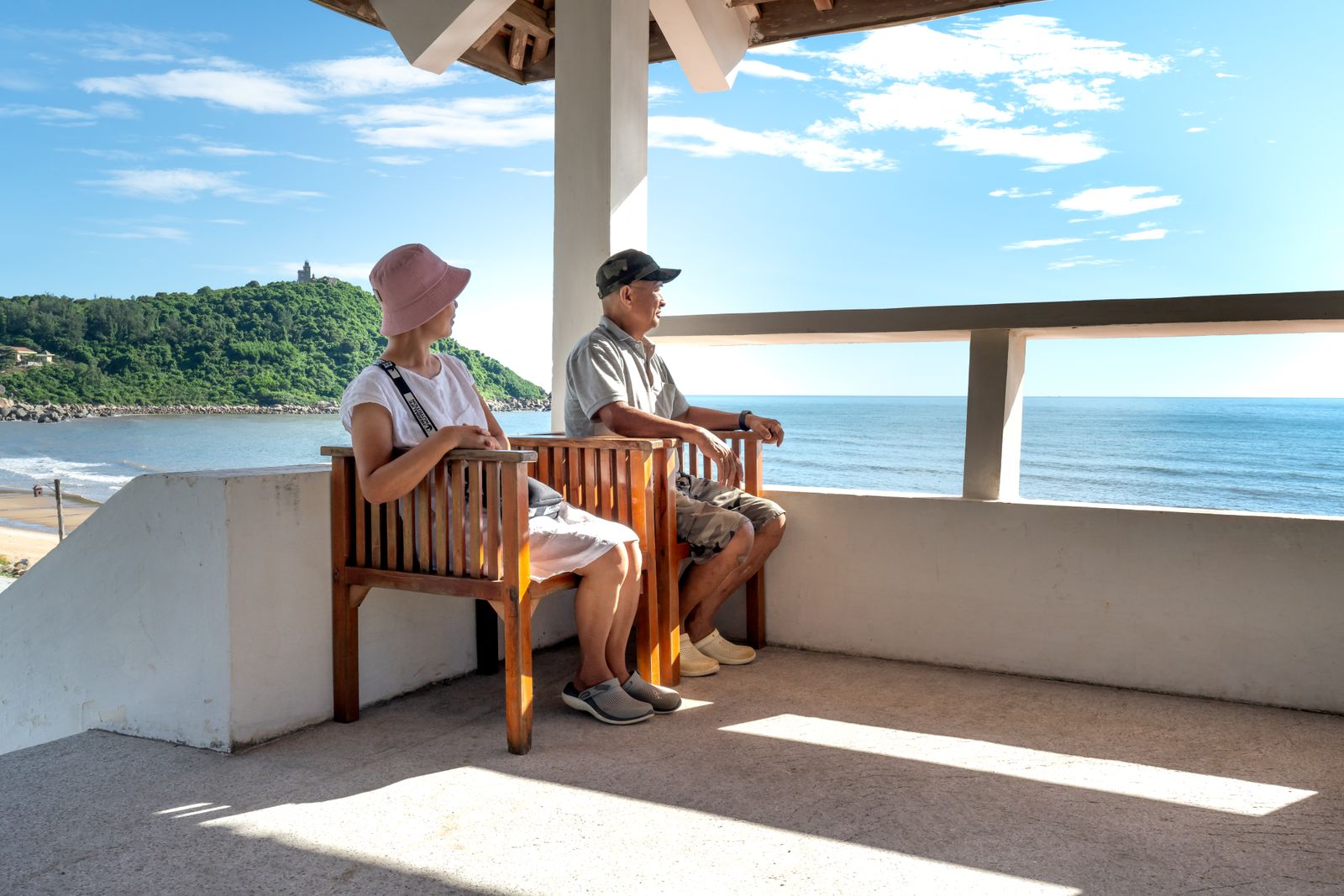
Saying "I am retired" can feel almost strange after spending decades working, raising a family, meeting deadlines, and planning life around a career. Retirement represents one of life's biggest transitions. For the first time in years, you may have considerably more control over how you spend your days.
But a successful retirement involves more than simply stopping work.
The best retirement years can be filled with travel, hobbies, family, friendships, learning, exercise, volunteering, and experiences you never had enough time to pursue while working. The key is developing a lifestyle that gives you purpose while also allowing you to enjoy the freedom you worked so hard to achieve.
If you recently found yourself saying "I am retired," here are some practical ways to make retirement enjoyable, meaningful, and rewarding.
1. Create a New Daily Routine
For decades, work probably determined when you woke up, ate lunch, took vacations, and went to bed. Retirement suddenly removes much of that structure.
At first, having no schedule can feel fantastic. Eventually, however, some retirees discover that completely unstructured days become repetitive.
Create a loose routine instead.
You might wake up at 7:30, enjoy coffee, exercise, work on a hobby during the morning, have lunch with your spouse or a friend, and spend the afternoon working around the house or pursuing personal interests.
The goal isn't to recreate your work schedule. It's simply to give your days some structure.
When you can finally say "I am retired," you have earned the ability to design your schedule around your life rather than designing your life around your job.
2. Make Your Health a Priority
Retirement becomes much more enjoyable when you are healthy enough to take advantage of it.
Regular physical activity can become one of the most valuable parts of your retirement routine. Walking, hiking, swimming, cycling, weight training, golf, pickleball, gardening, and other activities can help keep you active.
Consider scheduling exercise just like you once scheduled meetings.
Nutrition matters as well. Retirement provides an opportunity to prepare healthier meals, improve your diet, get adequate sleep, and keep up with recommended medical and dental appointments.
You spent years building your retirement savings. Protecting your health deserves similar attention.
3. Develop Hobbies You Actually Enjoy
One of the biggest advantages of saying "I am retired" is finally having time for interests that were previously pushed aside.
Maybe you always wanted to learn woodworking, photography, gardening, fishing, painting, metal detecting, beekeeping, or golf.
Retirement is an excellent time to try.
Don't worry about becoming an expert. Hobbies are supposed to be enjoyable.
Consider creating a list of ten activities you've always wanted to try. Work your way through the list over your first few years of retirement. You may discover an entirely new passion.
Try this
Write down ten things you've always wanted to try
Retirement gives you the time that working life never did. Pick one item from your list each season, and by the end of your first few years retired you'll have a shelf full of new stories — and maybe a new passion you never saw coming.
4. Travel While You Can
Travel is near the top of many retirement wish lists.
Instead of waiting until you're older, consider taking some of your biggest trips during the early years of retirement when you're more likely to have the energy and mobility to enjoy them.
International travel is only one option.
Road trips, national parks, beaches, historic towns, state parks, cruises, fishing destinations, and weekend getaways can provide memorable experiences without requiring enormous travel budgets.
Being able to say "I am retired" also gives you an advantage most working travelers don't have: flexibility.
You may be able to travel during weekdays and off-peak seasons when destinations are less crowded and accommodations can be cheaper.
"Retirement isn't the finish line. It's the beginning of a completely different chapter."
5. Stay Connected With Other People
Leaving the workforce can unexpectedly reduce your social interaction.
Coworkers you spoke with every day may gradually disappear from your daily life. That's why maintaining relationships becomes particularly important during retirement.
Schedule lunches with friends. Visit family. Join community organizations, churches, clubs, recreational leagues, or hobby groups.
Retirement can also be a wonderful time to reconnect with old friends.
If you find yourself thinking, "I am retired and I don't see people as often anymore," make social activities an intentional part of your schedule.
Strong relationships can make retirement considerably more enjoyable.
6. Volunteer and Help Others
Retirement doesn't have to mean you stop contributing.
Your career probably gave you decades of experience and knowledge that could benefit other people.
Consider volunteering with a nonprofit organization, mentoring younger professionals, helping at a church, coaching youth sports, assisting a community organization, or participating in local charitable projects.
Even a few hours each week can provide a tremendous sense of purpose.
You might be surprised how rewarding it feels to use your experience without the pressures and responsibilities that came with your former career.
7. Keep Learning New Things
Retirement shouldn't be the end of personal growth.
Learn something simply because it interests you.
Take an online course. Learn another language. Study history. Learn to play an instrument. Take cooking classes. Study investing. Start a garden. Learn about technology.
You could even start a small website or blog documenting your retirement experiences.
Imagine creating a journal beginning with the sentence, "I am retired, and here is what I'm learning."
You might eventually have years of experiences and lessons that your children and grandchildren would enjoy reading.
8. Have a Retirement Spending Plan
Enjoying retirement requires balancing financial security with actually using some of the money you've accumulated.
After decades of saving, switching from saving money to spending it can feel uncomfortable.
Create a retirement budget covering essential expenses such as housing, food, insurance, transportation, healthcare, utilities, and taxes. Then establish a separate amount for discretionary spending.
This might include travel, restaurants, hobbies, entertainment, gifts, and home projects.
The purpose of retirement savings isn't simply to accumulate the largest possible account balance. Those savings are also there to help support the retirement you planned for.
A financial planner or tax professional can also help you evaluate withdrawal strategies, taxes, Social Security, Medicare, required minimum distributions, and estate planning based on your individual circumstances.
A mindset shift
Your savings aren't just a scoreboard — they're a permission slip
You spent decades building the nest egg so it could carry you, not so it could sit untouched. A clear spending plan replaces the anxiety of "can I afford this?" with the confidence of "this is exactly what the money is for."
9. Create a Retirement Bucket List
When you first say "I am retired," write down everything you'd like to accomplish over the next ten years.
Don't limit yourself.
Your retirement bucket list might include:
- Visit Italy.
- See the Grand Canyon.
- Take your grandchildren fishing.
- Learn to play guitar.
- Restore an old car.
- Attend a World Series game.
- Start a garden.
- Learn beekeeping.
- Take a cross-country road trip.
- Volunteer for a favorite charity.
- Visit every national park.
- Spend a month at the beach.
- Write your family history.
Put the list somewhere you'll see it.
Retirement can pass surprisingly quickly. A bucket list encourages you to turn someday into an actual date on the calendar.
10. Find Your New Sense of Purpose
Perhaps the most important retirement question isn't "What am I going to do?"
It's "What gives my life meaning now?"
For some people, that's family. For others, it's travel, faith, volunteering, hobbies, entrepreneurship, fitness, or helping their community.
It can also be several things at once.
Retirement doesn't eliminate your purpose. It gives you the freedom to redefine it.
I Am Retired—Now What?
If you've finally reached the point where you can proudly say "I am retired," remember that retirement isn't the finish line. It's the beginning of a completely different chapter.
You spent decades working toward financial independence and greater control over your time. Now the challenge is deciding what you're going to do with that freedom.
Take care of your health. Travel while you're able. Stay close to friends and family. Develop hobbies. Keep learning. Help other people. Manage your finances responsibly — but don't become so afraid of spending money that you never enjoy what you worked to build.
Most importantly, don't allow retirement to become something that simply happens to you.
Design it.
The phrase "I am retired" shouldn't mean that your productive or adventurous years are behind you. It can mean that, perhaps for the first time in your adult life, you have the freedom to decide exactly what you want the next chapter to look like.
Putting it to work
Check your retirement plan is built to last
Our Retirement Withdrawal Calculator shows how long your portfolio could last at your planned spending — so you can enjoy the years you worked for with confidence.
Test my withdrawal plan