
Invest Into Real Estate: How Real Estate Investing Can Help You Retire Young and Achieve Financial Freedom
Rental income, appreciation, and leverage can build cash flow long before 65 — if you buy for the numbers, not the hope.
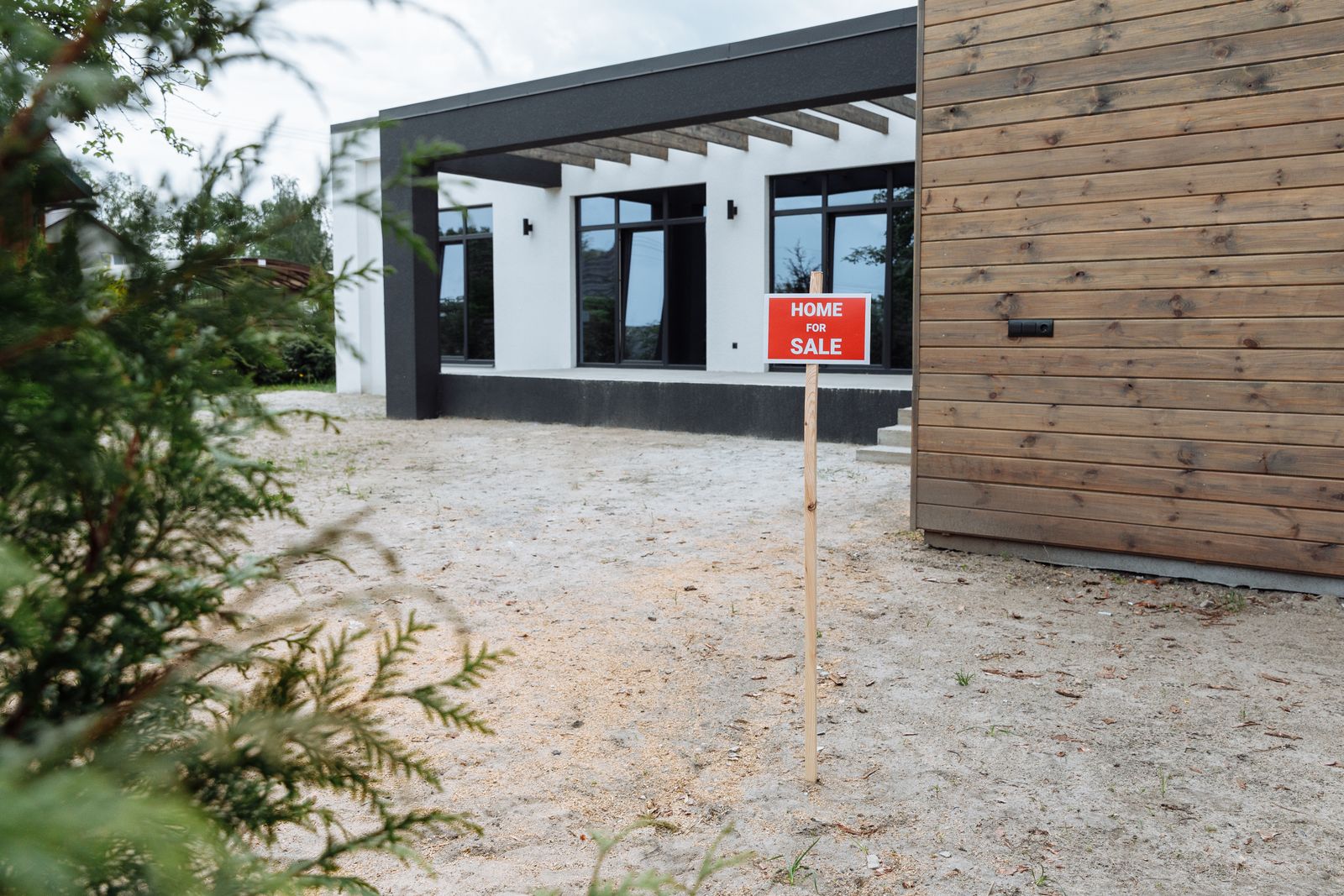
Introduction: Can Real Estate Help You Retire Young?
Imagine waking up on a Monday morning without an alarm clock, enjoying your coffee, and knowing you don't have to report to work. Your bills are covered, your investments are growing, and your time belongs to you.
For many people, this is the ultimate goal of financial independence and early retirement, often referred to as the FIRE movement.
One powerful strategy that can help make this lifestyle possible is learning how to invest into real estate.
Real estate investing has helped countless individuals build wealth, generate monthly income, and reduce their dependence on traditional employment. Unlike relying entirely on a 401(k) or stock market investments, real estate can provide additional income streams that may support retirement long before age 65.
Whether you're in your 20s, 30s, 40s, or approaching retirement, understanding how to invest into real estate could become an important part of your financial independence strategy.
Why Invest Into Real Estate for Early Retirement?
One of the biggest challenges of retiring young is generating enough income to cover living expenses without receiving a regular paycheck.
Traditional retirement accounts, such as 401(k)s and IRAs, are excellent wealth-building tools. However, withdrawing money before certain ages can trigger taxes and penalties unless you qualify for an exception.
Real estate offers another potential source of income. When you invest into real estate, you may benefit from several financial advantages:
- Monthly Rental Income: Tenants provide rental payments that can help cover expenses and generate cash flow.
- Property Appreciation: Real estate may increase in value over time.
- Mortgage Paydown: Tenants' rental payments can help reduce your outstanding mortgage balance.
- Tax Advantages: Certain property expenses and depreciation may reduce taxable rental income.
- Inflation Protection: Property values and rental rates may rise over time, although neither is guaranteed.
These benefits can make real estate a valuable addition to a diversified retirement portfolio. The key is purchasing properties that make financial sense rather than simply hoping their values increase.
1. Start With a Single Rental Property
One of the easiest ways to invest into real estate is by purchasing a single-family home and renting it to a qualified tenant. You don't need to own an apartment complex or have millions of dollars to begin.
Consider this hypothetical example: you purchase a rental property for $180,000 and make a 20% down payment of $36,000. Your mortgage is $144,000. Suppose the property rents for $1,650 per month.
After paying the mortgage, property taxes, insurance, maintenance, vacancy reserves, and other operating expenses, you estimate earning $250 per month in positive cash flow. That's $3,000 annually in additional income.
While $3,000 may not sound life-changing, remember that you are also potentially building equity as the mortgage is paid down. Over time, the combination of rental income, mortgage reduction, and possible appreciation can help grow your net worth. However, the actual return must also account for closing costs, repairs, and your total cash invested.
2. Build Multiple Income Streams Through Rental Properties
If your goal is to retire young, creating multiple income streams is especially important. Instead of depending entirely on the stock market, rental properties can provide another source of income.
For example, imagine gradually building a portfolio of five rental properties.
| Rental Properties | Monthly Net Cash Flow |
|---|---|
| Property 1 | $300 |
| Property 2 | $400 |
| Property 3 | $350 |
| Property 4 | $450 |
| Property 5 | $500 |
| Total | $2,000 |
Illustrative figures only. Actual results vary, and cash flow should account for operating costs, financing, vacancies, repairs, and appropriate reserves.
That's potentially $24,000 annually. For someone planning to retire at age 50 or 55, this additional income could significantly reduce the amount needed from retirement accounts.
For example, if your annual retirement expenses are $60,000 and your rental properties generate $24,000 in sustainable annual cash flow, you would need another $36,000 from investments or other income sources. This is why many followers of the FIRE movement choose to invest into real estate as part of their early retirement strategy.
The core idea
Buy for the numbers, not the hope
A property that cash-flows today does more for early retirement than one that might appreciate someday.
3. Use the BRRRR Strategy to Grow Your Portfolio
Another popular way to invest into real estate is through the BRRRR strategy. BRRRR stands for: Buy, Rehab, Rent, Refinance, Repeat.
The concept involves purchasing an undervalued property, improving it, renting it, and potentially refinancing to recover some of the capital invested. Investors may then use the recovered money toward another property.
For example, an investor might purchase a distressed home for $100,000 and spend $30,000 renovating it. If the improved property appraises for $180,000, refinancing may allow the investor to recover some invested capital, depending on lender requirements.
This strategy can accelerate portfolio growth, but it carries substantial risks. Renovations can exceed budgets, appraisals may fall short, interest rates can change, and refinancing increases financial leverage. For investors seeking early retirement, maintaining adequate cash reserves is essential.
4. Invest Into Real Estate Without Becoming a Landlord
Not everyone wants to answer maintenance calls, collect rent, or manage tenants. Fortunately, there are ways to invest into real estate without directly owning rental properties.
One option is a Real Estate Investment Trust, commonly called a REIT. REITs are companies that own, operate, or finance income-producing real estate. Publicly traded REITs can be purchased through brokerage accounts, similar to stocks.
They may invest in:
- Apartment communities
- Shopping centers
- Office buildings
- Healthcare facilities
- Industrial warehouses
- Data centers
Many REITs distribute dividends, potentially providing income without the responsibilities of property management. However, REIT dividends are not guaranteed, share prices fluctuate, and some REITs carry substantial debt.
For someone building an early retirement portfolio, REITs can provide real estate exposure while maintaining greater liquidity than directly owned properties. If you prefer a purely paper portfolio, see our guide to building a taxable brokerage account for FIRE.
5. House Hacking: An Affordable Way to Get Started
One of the most practical strategies for younger investors is house hacking. House hacking involves purchasing a property, living in part of it, and renting out the remaining space.
For example, you might purchase a duplex, live in one unit, and rent the other. Alternatively, you could purchase a home and rent out additional bedrooms.
The goal is to reduce your personal housing expenses while building equity. If rental income covers a meaningful portion of your mortgage, you may be able to invest more money into your 401(k), Roth IRA, or brokerage account.
For someone in their 20s or 30s, this strategy can create a significant financial advantage. Reducing housing expenses early in life allows more money to compound over time. When you invest into real estate through house hacking, you're potentially building wealth while reducing one of your largest monthly expenses. For a broader look at starting young, see investing in your 20s.
"The ultimate return on your investments isn't just money — it's freedom."
6. Combine Real Estate With the FIRE Movement
The FIRE movement focuses on saving aggressively, investing consistently, and eventually reaching the point where working becomes optional. Real estate can complement this strategy.
Consider someone who wants to retire at age 50 with annual living expenses of $70,000. Without other income sources, a simplified 4% withdrawal calculation suggests needing approximately $1.75 million invested.
Now suppose rental properties generate $30,000 annually in sustainable net cash flow. The remaining annual income requirement becomes $40,000. Using the same 4% calculation, the investor would need approximately $1 million in financial investments.
That represents a substantial difference. However, the 4% guideline is not a guarantee, particularly for retirements lasting 40 years or longer. Rental income also carries vacancy, repair, financing, and market risks. The objective should be to build a financial plan that combines diversified investments, sufficient liquidity, and dependable income sources. Real estate can become one component of that plan — see our guide to the 4% rule and Coast FIRE.
7. Understand the Risks Before Investing
Although there are excellent reasons to invest into real estate, it's important to recognize the potential disadvantages. Rental properties are not completely passive investments. Unexpected expenses can quickly reduce profitability.
Major risks include vacancies, tenants who fail to pay rent, expensive repairs, rising insurance premiums, property tax increases, declining property values, and higher borrowing costs.
Real estate is also relatively illiquid. Selling a property can take months, and transaction costs can be substantial.
Before purchasing a rental property, consider maintaining sufficient emergency reserves to cover unexpected expenses and periods without rental income. Carefully evaluate each property's expected cash flow, debt obligations, and long-term maintenance requirements.
The best real estate investment isn't necessarily the property with the highest projected return. It's one that fits your financial goals and risk tolerance.
8. Create a Real Estate Investment Plan for Early Retirement
If you want to invest into real estate and retire young, begin with a realistic strategy.
First, determine your desired retirement age and estimate your annual retirement expenses. Next, calculate how much income you would like real estate to generate.
For example, if your goal is $2,500 per month in rental cash flow, that's $30,000 annually. If each property produces $350 monthly after expenses and appropriate reserves, you would need approximately eight properties to reach that goal.
Of course, the number of properties matters less than their actual profitability. A small portfolio of excellent properties may outperform a larger portfolio with high debt and ongoing maintenance problems. Focus on positive cash flow, responsible financing, property quality, and maintaining sufficient liquidity.
As your investments grow, consider working with a qualified tax professional and financial advisor to integrate real estate into your broader retirement strategy. You can estimate your overall retirement income with our retirement calculators.
9. Don't Forget About Taxes and Property Management
Taxes can have a meaningful impact on your investment returns. Rental property owners may be able to deduct qualifying expenses such as mortgage interest, insurance, repairs, property management fees, and depreciation.
However, tax treatment depends on individual circumstances, and depreciation may create tax consequences when a property is sold. It's important to understand the difference between cash flow and taxable income.
You should also decide whether to manage properties yourself or hire a professional property manager. Property management companies typically charge fees, but they can reduce the time required for tenant communication, rent collection, and maintenance coordination.
If your goal is early retirement, protecting your free time should be part of your investment decisions. After all, financial freedom means having more control over how you spend your days.
10. Start Early and Think Long Term
Perhaps the greatest advantage of learning how to invest into real estate is the opportunity to benefit from time.
A rental property purchased at age 30 could have substantially less mortgage debt by age 50, assuming regular payments on a traditional amortizing loan. Over those 20 years, the property might also appreciate and generate rental income.
But even if you begin investing in your 40s, real estate can still play a meaningful role in your retirement plan. The most important factor is making informed decisions and avoiding investments that place your financial security at unnecessary risk.
Real estate investing should support your retirement goals, not create financial obligations that force you to work longer.
Final Thoughts: Invest Into Real Estate and Make Work Optional
Retiring young doesn't necessarily require earning an enormous salary or inheriting wealth. It often comes down to consistently spending less than you earn, investing the difference, and building assets that can support your lifestyle.
When you invest into real estate, you're potentially creating income streams that can continue long after you leave traditional employment. Rental properties, house hacking, REITs, and carefully planned real estate portfolios can all contribute to financial independence.
The goal isn't necessarily to become a real estate millionaire or own dozens of properties. The real goal is having enough dependable income and financial security to make work optional.
Whether your dream is retiring at 45, traveling at 50, or spending more time with family at 55, real estate may help you reach that destination. Start with a plan, invest responsibly, and remember that the ultimate return on your investments isn't just money — it's freedom.
Read more in our guides to early retirement strategies and making work optional.
Putting it to work
Plan the whole picture
Combine rental cash flow with your investments to see how soon work becomes optional.
Open the calculatorsFinancial Disclaimer: This article is intended for educational and informational purposes only and does not constitute personalized financial, investment, tax, or legal advice. Real estate investments involve risks, including potential loss of principal, negative cash flow, unexpected expenses, and declining property values. Examples are hypothetical and do not guarantee future results. Consult qualified financial, tax, and real estate professionals before making investment decisions.